The best medical assistant certificate programs online get you ready for a national exam such as the CCMA, publish a total price you can verify, and fit the hours you actually have. If cost and speed come first, start with Phlebotomy Career Training or Clinical Skills Institute. If you want a slower pace with career coaching, look at US Career Institute. Community College of Philadelphia and San Francisco State suit readers who want a college name behind the certificate, MedCerts suits those who want the exam fee bundled, and Stepful suits those who want help landing an externship.
Shopping for these courses is harder than it looks. Listed prices run from $710 to $4,000, lengths run from six weeks to ten months, and some programs leave out the exam fee, the externship, or both. A cheap course that does not make you eligible for your exam costs more than a pricier one that does.
This guide compares seven online medical assistant certificate programs side by side, then shows what to check before you pay. At Study Abroad Nations we compare online courses and certificate programs for cost-conscious learners, so each program here is judged on price, length, and exam preparation. Prices change, so confirm every figure on the school’s own page before you enroll.
Online medical assistant certificate programs compared
The seven programs below list tuition between $710 and $4,000, with the fastest finishing in about six weeks and the slowest allowing up to ten months. Stepful is the exception on price, because it sets cost per student after an application. Every program prepares you for the CCMA, and two also offer the CMAA administrative track.
Side-by-side comparison
The table lists what each school publishes, ordered from the lowest listed price to the highest.
| # | Program | Listed price | Length | Exam prep | Hands-on component |
|---|---|---|---|---|---|
| 1 | Phlebotomy Career Training | $710 | As little as 6 weeks | CCMA | Externship mentioned |
| 2 | Clinical Skills Institute | $900 | About 2 months | CCMA | Clinical hours support |
| 3 | US Career Institute | $1,439 ($1,739 on a plan) | 4 to 10 months | CCMA or CMAA | No clinical kit |
| 4 | Community College of Philadelphia | $2,599 | Finish within 6 months | CCMA | Optional externship |
| 5 | San Francisco State University | $2,599 | 6 to 9 months online, 2.5 to 3 hybrid | CCMA | Optional externship |
| 6 | MedCerts | $4,000 | 28 weeks | CMAA or CCMA | No externship |
| 7 | Stepful | Varies by student | 5 months | CCMA | Externship help, clinical kit |
How to read the numbers
Tuition is only the first line of the bill. US Career Institute shows why: paying in full costs $1,439, while the monthly plan costs $1,739 at about 22 payments of $79. The plan adds $300 to the price, so a learner who can pay upfront saves that amount.
Next, compare what each price includes. MedCerts costs the most, but the exam fee is inside the tuition. A cheaper course may leave you paying for the exam separately, and a program without an externship leaves you to arrange hands-on practice yourself.
A program’s real price is tuition plus the exam fee, the clinical practice, and every month you spend paying it off.
1. Phlebotomy Career Training
Phlebotomy Career Training has the lowest listed price in this comparison, at $710 for its online course. It is self-paced and built around the CCMA exam.
Cost, length, and format
- Price: $710 online, $985 for the in-person version
- Length: as little as six weeks online, about three months in person
- Exam prep: CCMA, with course materials and access to the exam included
- Hands-on: the listing mentions an externship
Six weeks is a best-case pace, not a promise. A self-paced course can stretch to six months or longer if you study part time, so count your weekly hours before you pick the fastest option.
Strengths, limits, and who it fits
Nothing else here beats the price, and bundled exam access lowers the real cost of the credential. If you already work around patients and just need the certificate, this is the shortest path on the list.
The tradeoff is detail. Ask how the externship is arranged and whether you must find your own site. It fits disciplined learners who can give the course a few hours every day.
Choose this one when price and speed matter most and you can study almost full time.
2. Clinical Skills Institute
Clinical Skills Institute lists $900 for a 100% online, self-paced program that targets the NHA CCMA exam. The school says you can finish in about two months.
Cost, length, and format
- Price: $900
- Length: about two months
- Format: fully online and self-paced
- Exam prep: NHA CCMA, with support for clinical hours
The school advertises support with clinical hours, but that phrase can mean placement or only guidance. Ask which one it is, and ask whether the exam fee is part of the $900.
Strengths, limits, and who it fits
This is the second-cheapest option and, along with the first, the quickest. A price under $1,000 makes it easy to test the field before spending more on a longer course.
The listing gives less detail than some competitors, so email the school before paying. It fits budget-focused learners who want a fast online route and can direct their own study.
Ask two questions before you pay: what "clinical hours support" means, and whether the exam fee is included.
3. US Career Institute
US Career Institute offers a self-paced certificate you can finish in four months, although most students take six to ten. You choose between a CCMA track and a CMAA track.
Cost, length, and format
- Price: $1,439 paid in full, or $1,739 at $79 a month
- Length: 4 to 10 months
- Exam prep: CCMA or CMAA
- Hands-on: no clinical kit included, but a career coach helps after graduation
Topics range from basic pharmacology to front-office procedures. The school reports a 95% exam pass rate, which is its own figure, so ask how it is calculated and which exam it covers.
Strengths, limits, and who it fits
Career coaching after graduation is the standout. It covers résumé building and interview practice, which matters if you have no healthcare job history.
The weaknesses are the missing clinical kit and the $300 plan surcharge. It fits working adults who need a slower pace, and anyone torn between clinical and administrative work, since both tracks are available.
This is the pick for people who want career coaching and need a pace that fits around a job.
4. Community College of Philadelphia
Community College of Philadelphia offers an online certificate for $2,599 that accepts new students at any time of year. Lessons are video lectures and quizzes you complete on your own schedule.
Cost, length, and format
- Price: $2,599
- Length: finish within six months of enrolling
- Exam prep: CCMA
- Hands-on: optional externship, with workforce scholarships available
A rolling start means you do not wait for a fall or spring term. The six-month limit is firm, though, so plan your weekly study time before you enroll.
Strengths, limits, and who it fits
A college-run program gives you a recognizable name on your résumé. Workforce scholarships may also offset part of the tuition, which is worth asking about before you pay full price.
Because the externship is optional, confirm how to add it. This one fits learners who want college backing and a flexible start, and who can hold to a six-month deadline.
A rolling start and a college name are the draw, but the six-month deadline is real.
5. San Francisco State University
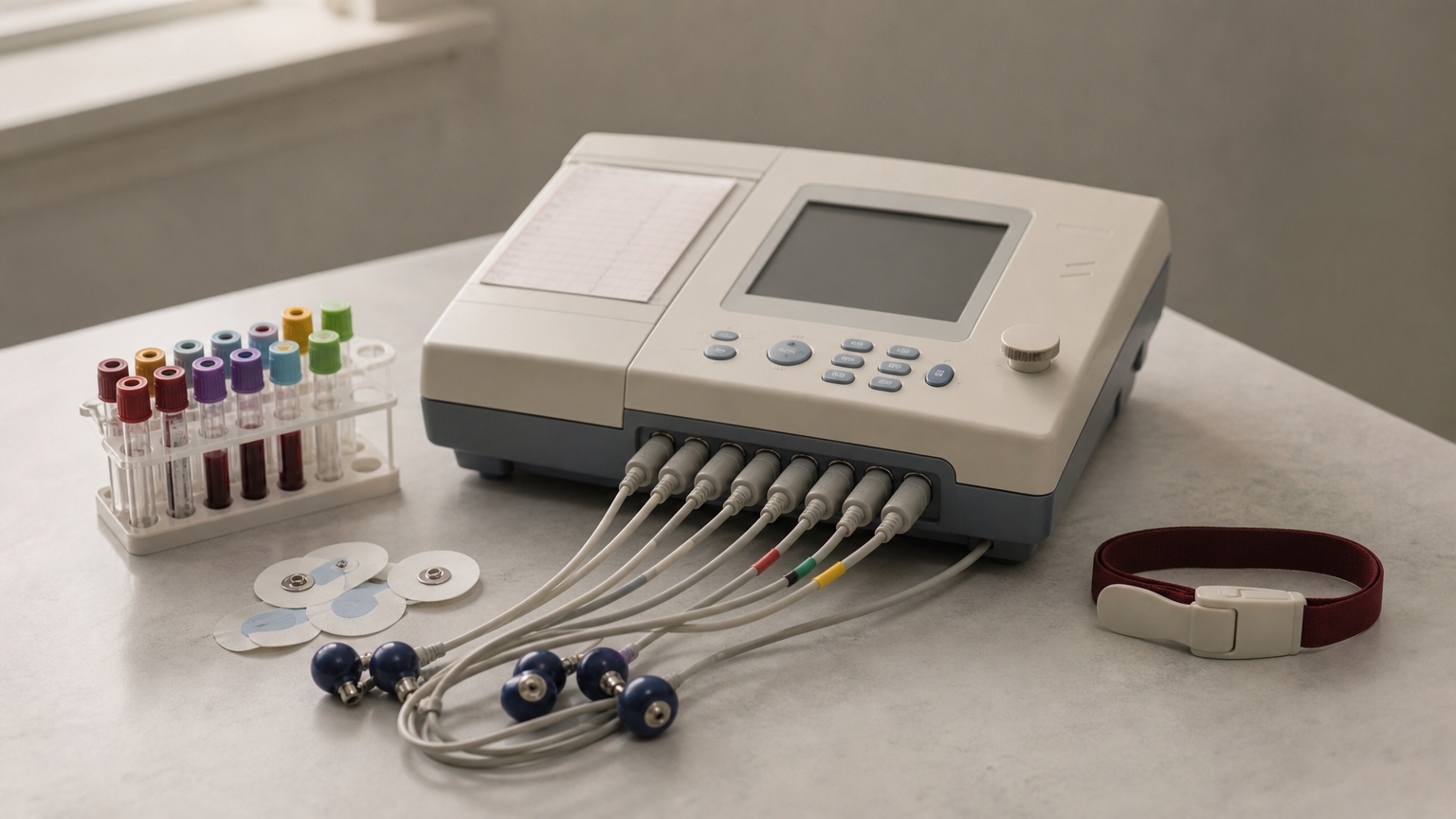
San Francisco State University’s clinical medical assistant certificate costs $2,599 and comes in two formats: fully online or hybrid. Courses include phlebotomy and EKG recordings, and both formats prepare you for the CCMA.
Cost, length, and format
- Price: $2,599
- Length: 6 to 9 months online, 2.5 to 3 months hybrid
- Exam prep: CCMA
- Hands-on: optional externship in both formats
The hybrid track is roughly three times faster than the online one at the same price. In exchange, you must attend campus sessions, so check whether you can travel for them.
Strengths, limits, and who it fits
Phlebotomy and EKG are skills employers ask about, and practicing them in person beats learning them from video alone. The same tuition covers both formats, so you pick by schedule instead of budget.
The price matches Community College of Philadelphia. Choose this one if you want in-person skills practice, and the other if you need a fully remote course.
At $2,599, the choice between this program and the previous one comes down to format, not money.
6. MedCerts
MedCerts lists $4,000 for a 28-week online program, with payment plans available. You can prepare for the CCMA or the CMAA, and the exam fee is included in tuition.
Cost, length, and format
- Price: $4,000, with payment plans
- Length: 28 weeks
- Exam prep: CMAA or CCMA, exam fee included
- Hands-on: no externship, though the format uses video lectures and game-based learning
Its interactive format appeals to learners who struggle with plain reading assignments. The no-cost options for active-duty military and their spouses are a real advantage for those families.
Strengths, limits, and who it fits
The bundled exam fee makes the price easy to predict. You pay $4,000 and know what the credential costs, with no surprise at the testing step.
The downsides are the highest price here and no externship. You would need to find hands-on experience on your own. It fits military families and learners who want a predictable total and an interactive course.
MedCerts costs the most here, but military families and learners who want a predictable bill get something for it.
7. Stepful
Stepful runs a five-month online program aimed at the CCMA exam, and its price depends on the student. You apply first, and the school says the application takes about two minutes.
Cost, length, and format
- Price: varies by student, with scholarships offered to new students paying out of pocket
- Length: 5 months
- Exam prep: CCMA
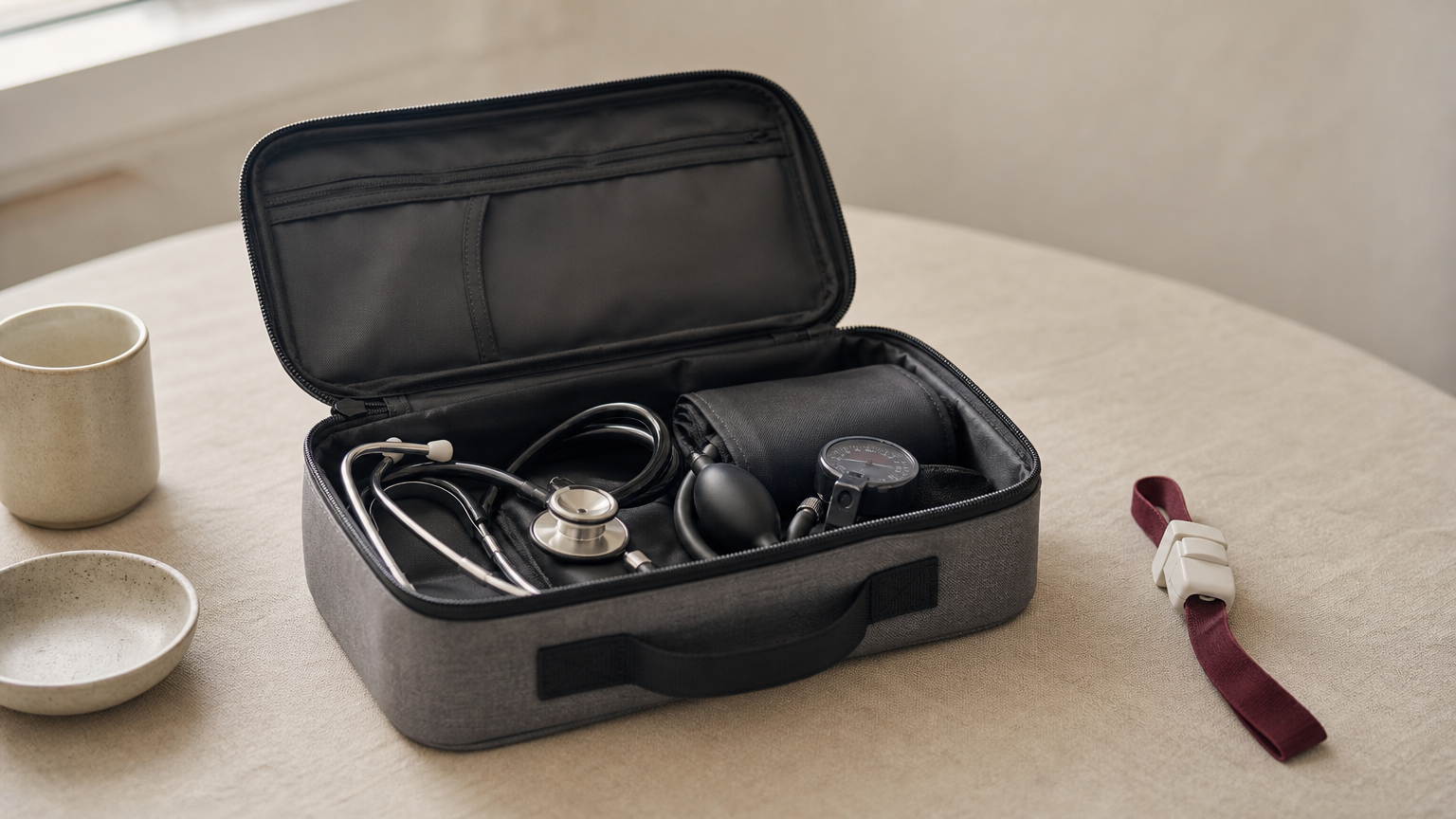
- Hands-on: help finding an in-person externship, plus a clinical kit sent to you
Stepful describes job support as flagged openings, résumé review, mock interviews, and a career coach after graduation. That is a fuller package than most online courses offer.
Strengths, limits, and who it fits
Hands-on practice is the strength. A clinical kit and externship placement help address the main weakness of online training, which is the lack of real patient contact.
The catch is that you cannot compare its price until you apply. It fits learners who want structured support and an externship, and who are willing to apply before they see a number.
The unknown price is the cost of admission: you apply first, then decide.
What to check before you enroll
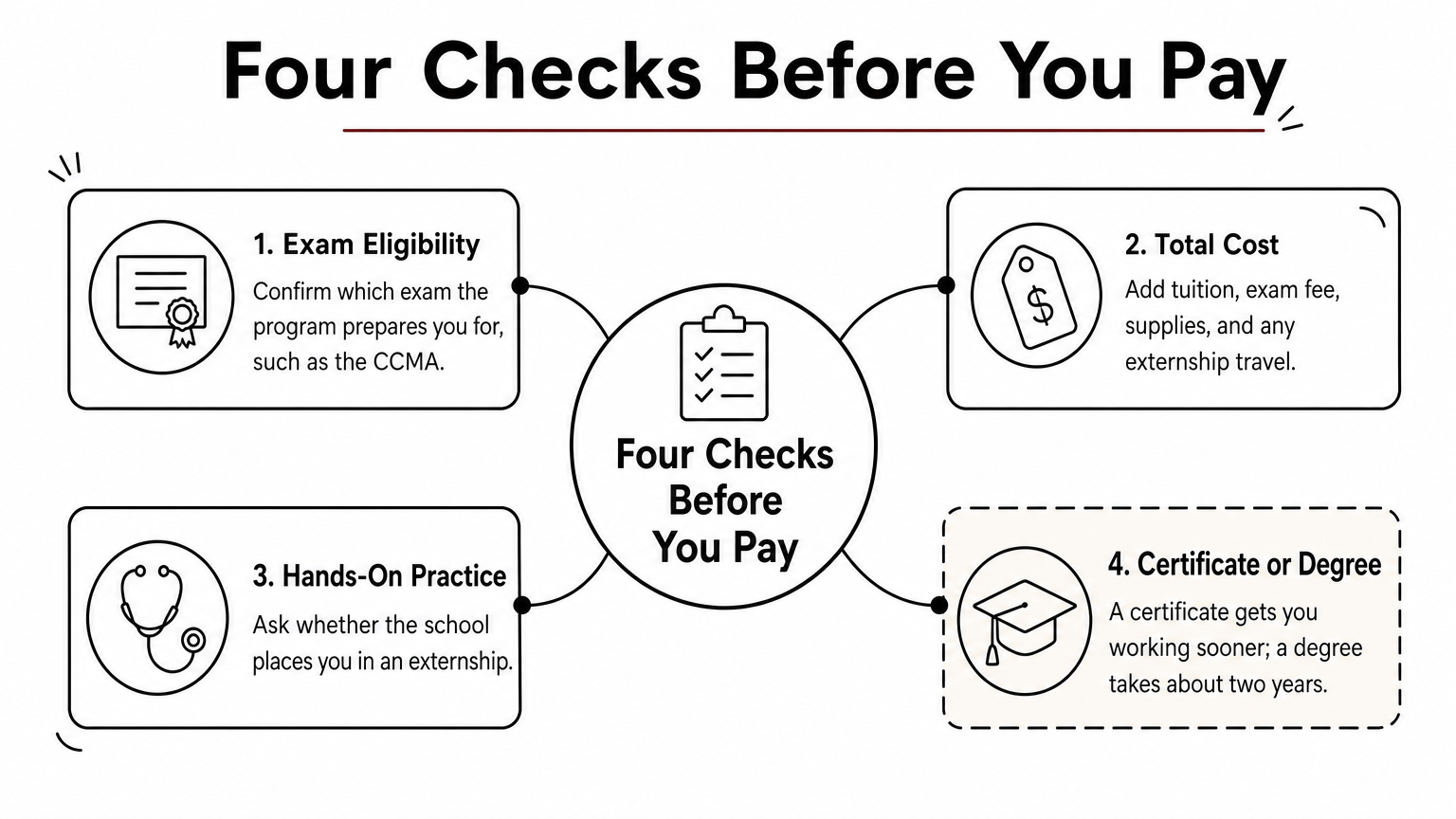
Four checks protect you from a bad purchase: exam eligibility, the full cost, hands-on practice, and whether a certificate is enough. Run each program through all four, even the ones in this list.
Exam eligibility and accreditation
Start with the exam you want. The NHA’s CCMA accepts candidates who complete a training program, and it also has a work-experience route, so confirm current rules on the NHA’s site. The AAMA’s CMA credential is stricter, because it requires graduation from an accredited program (CAAHEP or ABHES).
Most short online certificates will not meet the CMA rule. That is fine if you target the CCMA, but ask the school which exam the course prepares you for. Also check your state’s rules on tasks such as injections and blood draws, since scope of practice varies.
Total cost, FAFSA, and free options
Add tuition, exam fee, supplies, and any externship travel. Then ask about financing. Many short, non-degree certificates do not qualify for federal aid, while associate degrees at accredited colleges often do, so check at studentaid.gov before you count on FAFSA.
Free training exists, but it is usually tied to scholarships, workforce funding, or military benefits. Community College of Philadelphia lists workforce scholarships, and MedCerts has no-cost options for active-duty military and spouses.
Externship and hands-on practice
An externship is where you practice vitals, injections, and blood draws under supervision, and it shows on your résumé. Programs here range from Stepful’s placement help to MedCerts’ none at all.
Ask whether the school places you or only lists sites, whether travel is your cost, and how many hours it requires. Without one, plan to volunteer or shadow a clinic.
Certificate versus associate degree
A certificate takes weeks or months, while an associate degree takes about two years. Penn Foster’s online associate degree, for example, lists $6,100 to $6,600 over two years. Employers usually care more about certification than about a degree.
Choose the degree if you plan to move into nursing or want federal aid. Otherwise, a certificate gets you working sooner at a lower price.
Confirm which exam a program prepares you for before you look at its price.
Questions about online medical assistant certificates
These are the questions readers ask most after comparing programs. Each answer is short and based on how certification works in general.
Can you get medical assistant certified online?
You can complete the training online, but certification itself is a separate exam taken through a certifying body such as the NHA. Some bodies offer remote proctoring, so check whether you can test from home or must visit a testing center.
The course does not certify you. Passing the exam does, so treat the program as exam preparation.
Is an online medical assistant certificate valid?
A certificate is only as useful as the exam it prepares you for. A program that leads to the CCMA, which is nationally recognized, gives you a credential employers know, while a course with no recognized exam behind it gives you little.
Ask the school which exam it targets and what its pass rate is. Check job postings in your area to see which credentials local employers name.
What is the fastest way to get certified?
The fastest listed course here is about six weeks, from Phlebotomy Career Training, followed by roughly two months at Clinical Skills Institute. Those timelines assume near full-time study.
The exam is still separate, and the NHA’s work-experience route may be quicker if you already have supervised clinical hours. Speed matters less than passing on the first try.
Is a CCMA better than a CNA?
Neither is better, because they lead to different jobs. A CCMA works mostly in clinics, handling vitals, blood draws, and EKGs, plus some front-office tasks. A CNA works under nurses on basic patient care, often in nursing homes and hospitals.
CNA training is state-approved and needs in-person clinical hours, so it cannot be done fully online. If you want an online route, the CCMA fits.
An online certificate is worth what its exam is worth, so match the program to the credential.
Picking the program that fits your exam and budget
Start with the exam, then match the program to your budget and schedule. Phlebotomy Career Training and Clinical Skills Institute are the quickest, cheapest routes, and US Career Institute gives you a slower pace with career coaching. The two college programs add institutional backing, MedCerts bundles the exam fee, and Stepful adds an externship and a clinical kit for an unknown price.
Whichever you pick, confirm the exam it prepares you for, the full cost, and how hands-on practice works before you pay. If you want to keep comparing, you can browse more online courses and certificate programs on Study Abroad Nations.